Goodnight Raleigh - a look at the art, architecture, history, and people of the city at night

Reminiscences of a Raleigh Boy, Part 3: Fayetteville Street

Part 3: Raleigh’s Main Street
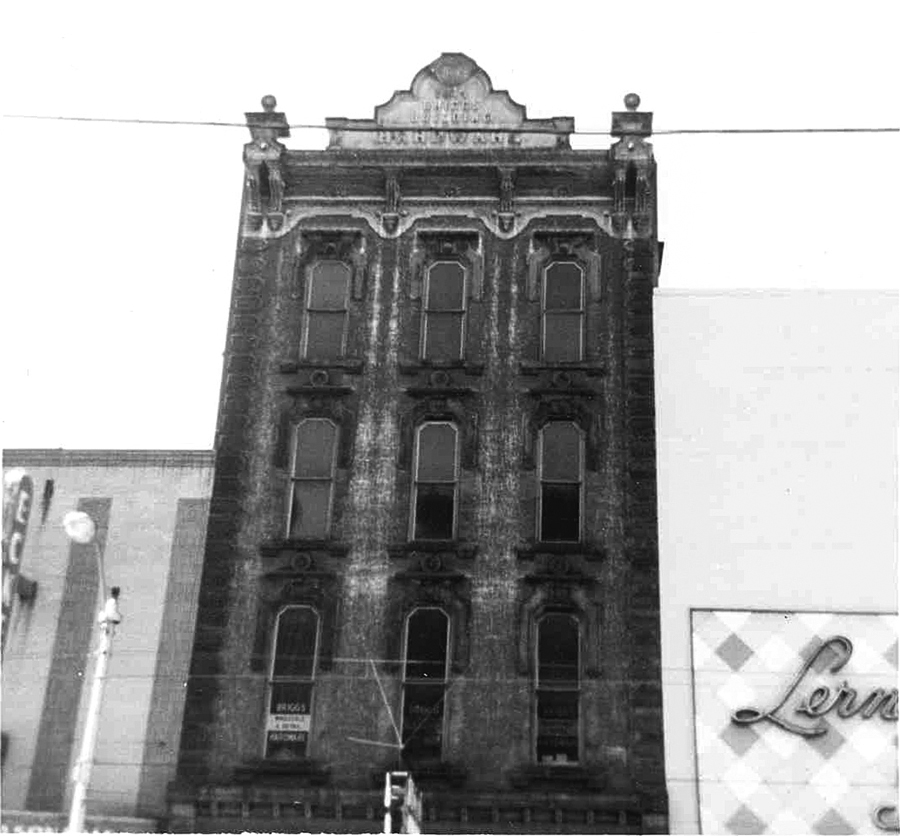
Briggs Hardware (1874) on Fayetteville Street in 1965
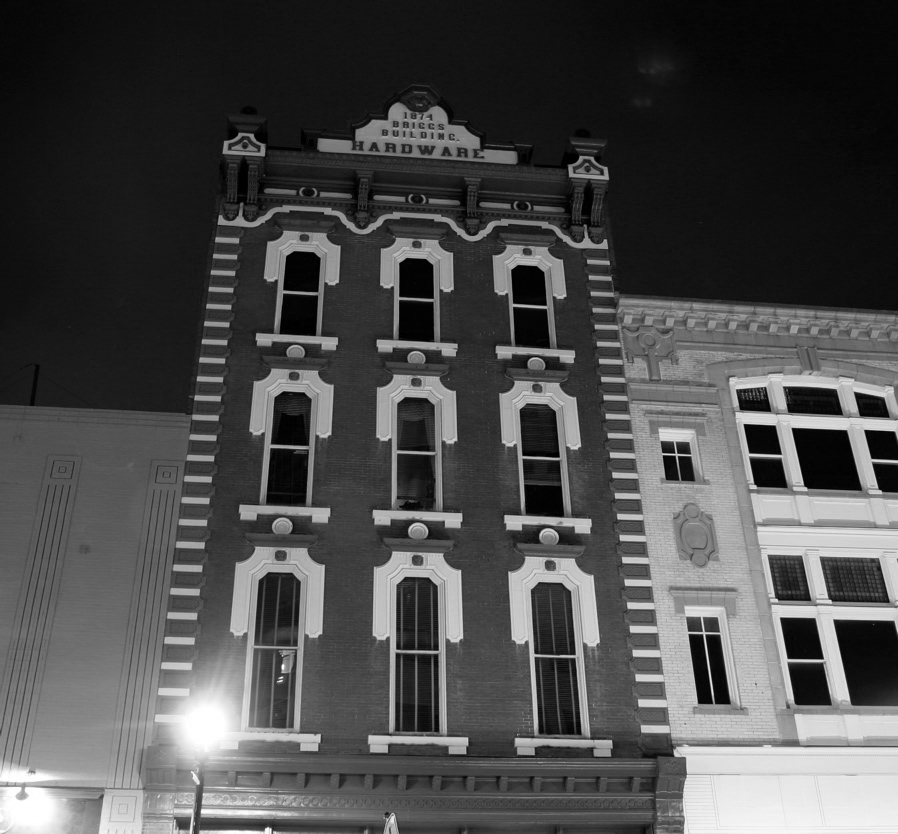
Briggs Hardware 2008, now home of the City History Museum. Next door is the former Boylan Pearce department store with its recently restored Beaux Arts facade.
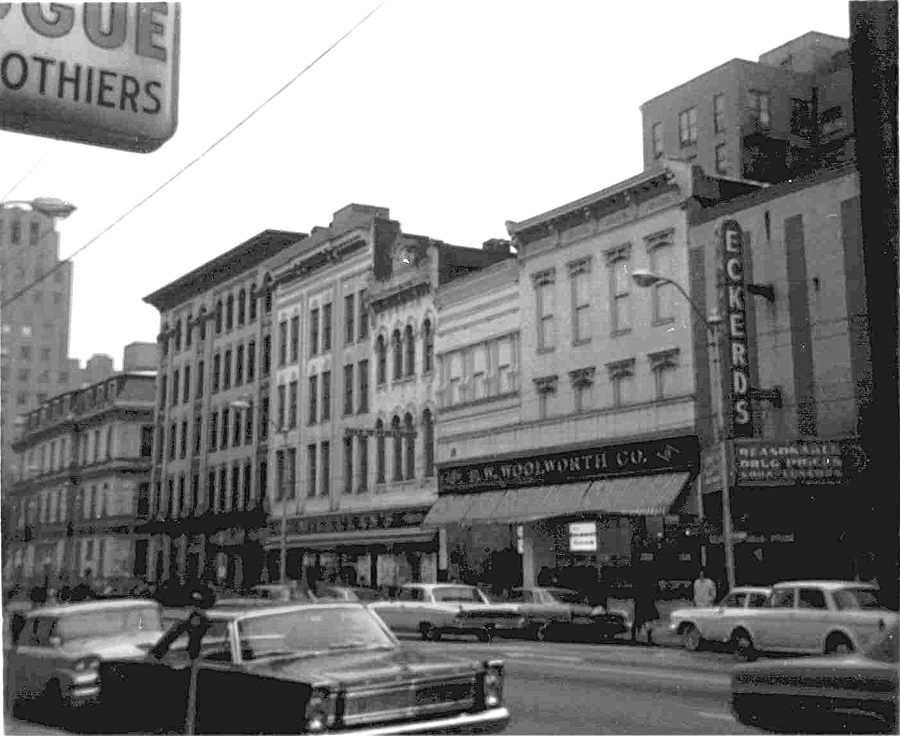
200 block of Fayetteville St showing the Tucker Building and the Post Office on the left

200 block in 2008

View toward the Capitol from the 100 block, 1966. With the exception of the two state government buildings at the end, all the structures in this view are gone.

In 2008; Looks beautiful at night, doesn’t it?
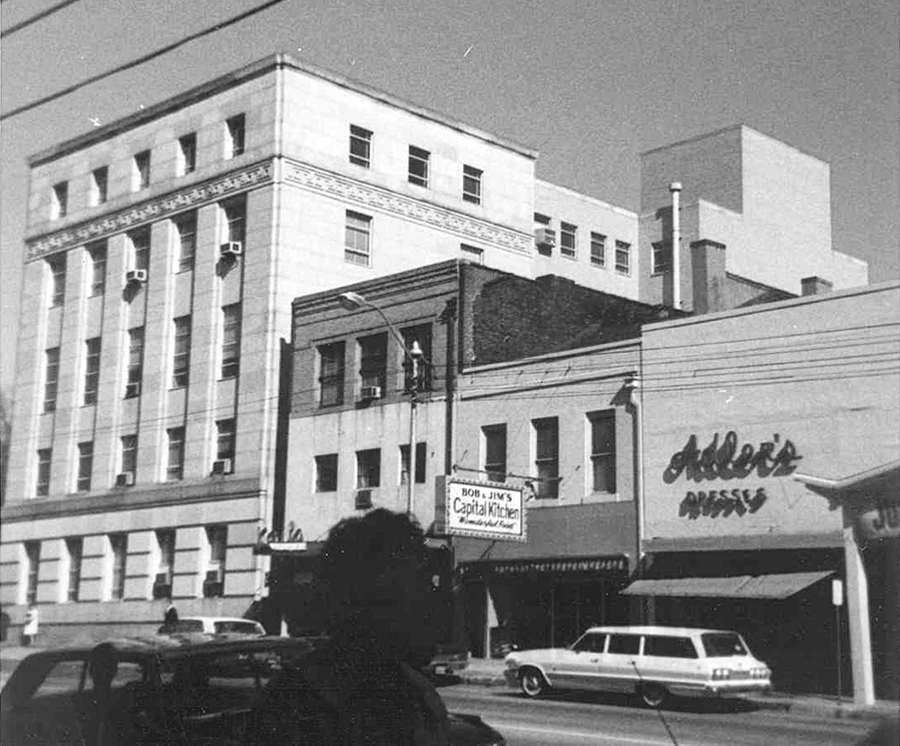
Close up of east side of the street in the 1966 view.
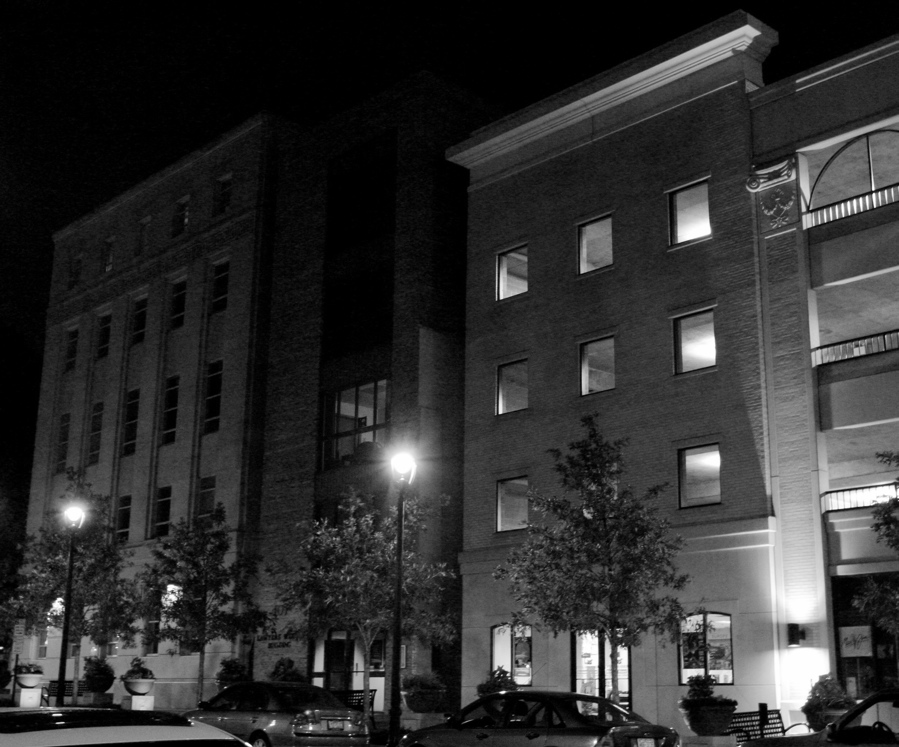
Last night.

fayetteville4_60s

View toward the 200 block from the alley between the (old) Wachovia building on the right and “Lenin’s Tomb” on the left.

The view today. The alley was closed during the mall period.
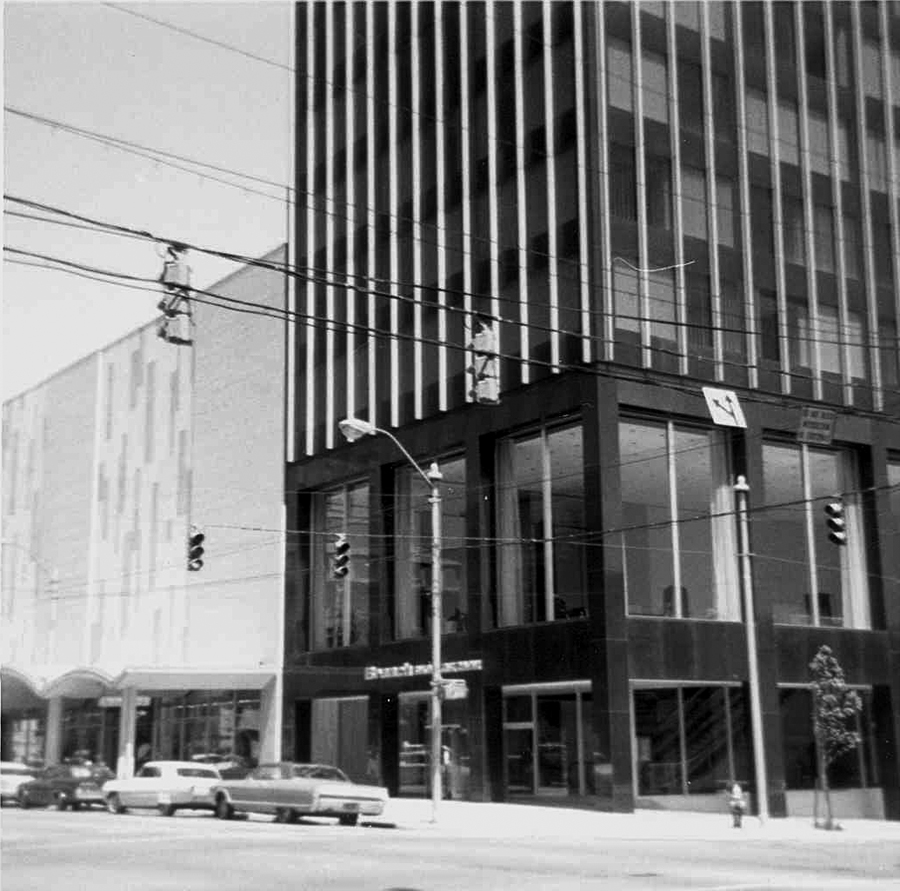


The lower floors of ” Raleigh’s Little Seagram Building” and the 1960s facade of Hudson Belk.
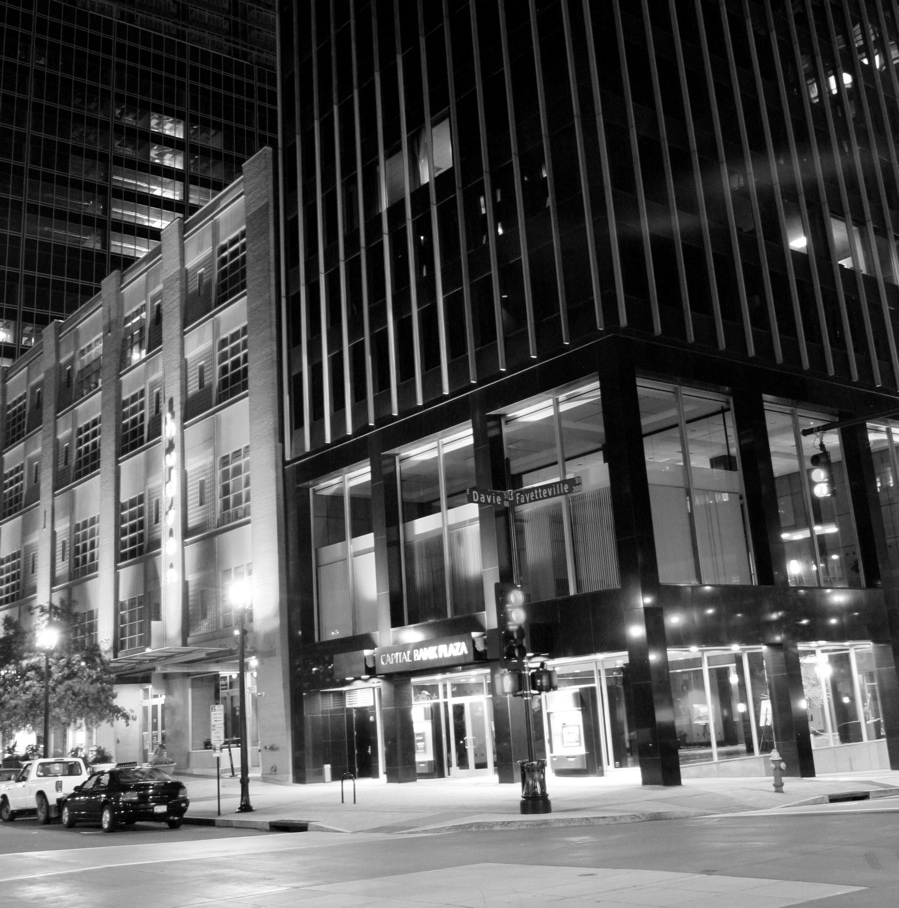
Same view today.
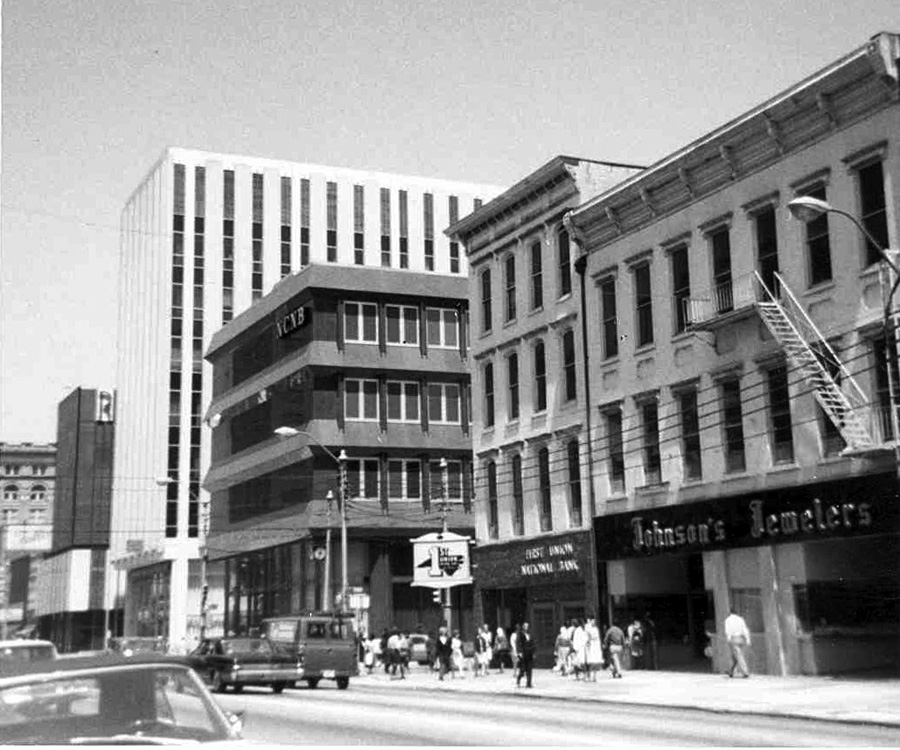
The east side of the 200 and 300 blocks in 1966 showing the (old) Wachovia building, “Lenin’s Tomb” and the block of 19th century storefronts where the RBC building is now going up.


If Capitol Square was the hub of Raleigh, then Fayetteville Street was its strongest spoke. For most of its existence and well into the 20th century this broad thoroughfare was the commercial and governmental axis of the city. Along its course were Raleigh’s principal businesses, hotels, banks, office buildings and government centers.
Read more »

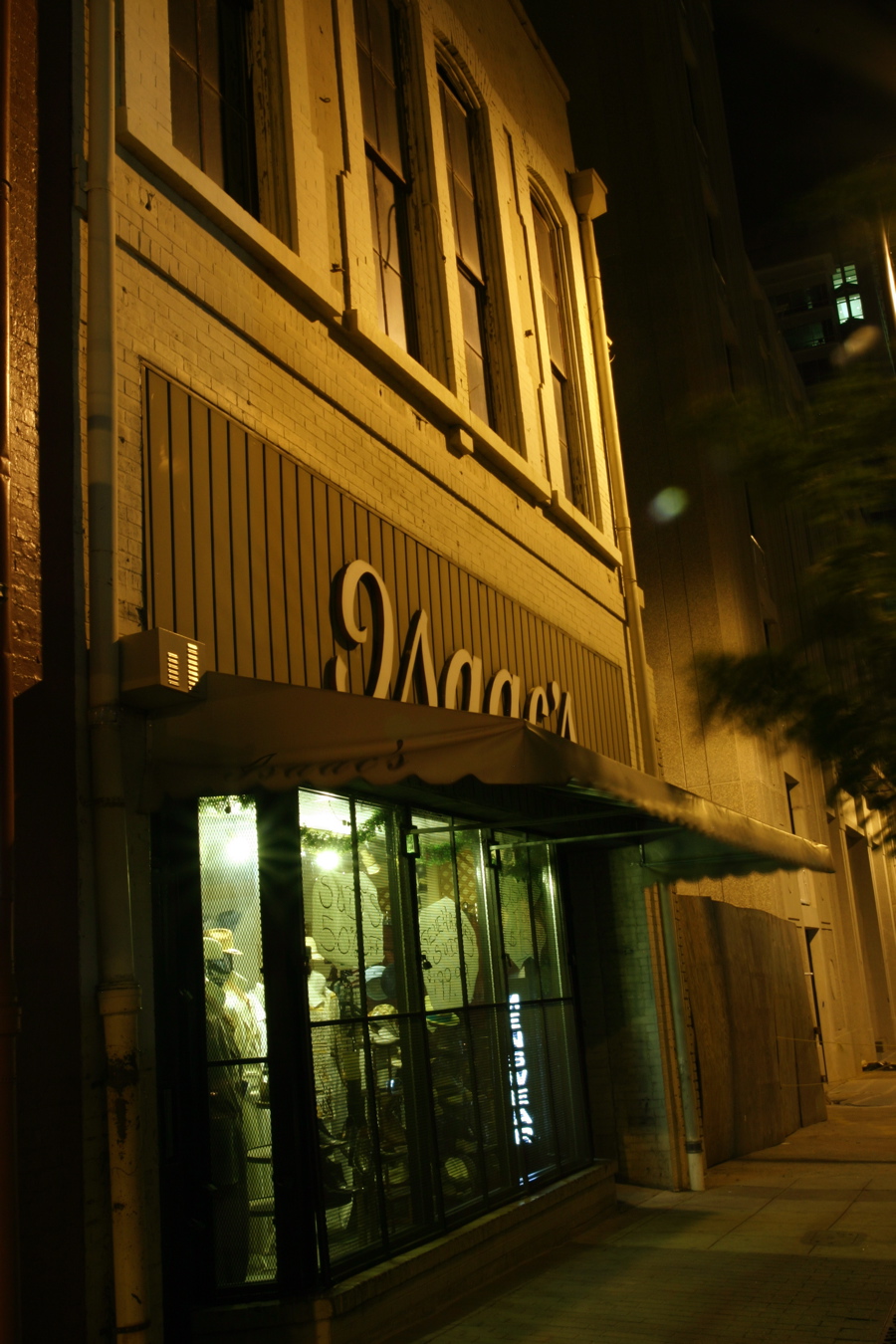
Small Business Spotlight: Isaac’s Menswear

Isaac’s Menswear is an independently owned men’s fashion store located on Wilmington Street, across from the new RBC Plaza. Prior to the arrival of the clothing store, it was a seedy bar called Chocko Flame which frequently had run ins with the police. Before that, it was a Greek restaurant.

The store is run by a man named Shalom, who has been in business since 1985. The name Isaac’s came from his former business partner and mentor. Isaac and Shalom ran the men’s clothing store in what is currently The Square Rabbit for a few years before Shalom relocated to the current location to run the busines on his own. The owner of building housing The Square Rabbit had offered to sell it to him for $60k in the mid-eighties. At that time, it was a rough part of town and he wasn’t sure how long he was going to stay in the area. He doesn’t look back with regret at the missed opportunity. A native of Israel, he wasn’t sure if or when he may move back to his ancestral homeland.

Today, business is still good. The future is uncertain as The Edison is poised to occupy the entire block. Shalom rents his space from Progress Energy, which has no desire to stay in the real estate business. The other property owners of this block were no doubt offered large sums of money to sell out and relocate to the newly proposed space.

Shalom isn’t worried, though. He’s pretty matter-of-fact about the situation. If he has to relocate, he will–and it won’t be downtown. He has many fond memories of being in business in the current location. In fact, a relic of the former First Citizens Building that used to occupy the space now used by RBC Plaza is in his posession. One of the gargoyles that adorned the entrance now resides in his home. To him, it is a reminder of the magnificent building that used to be there and was turned in to a parking lot in 1991.

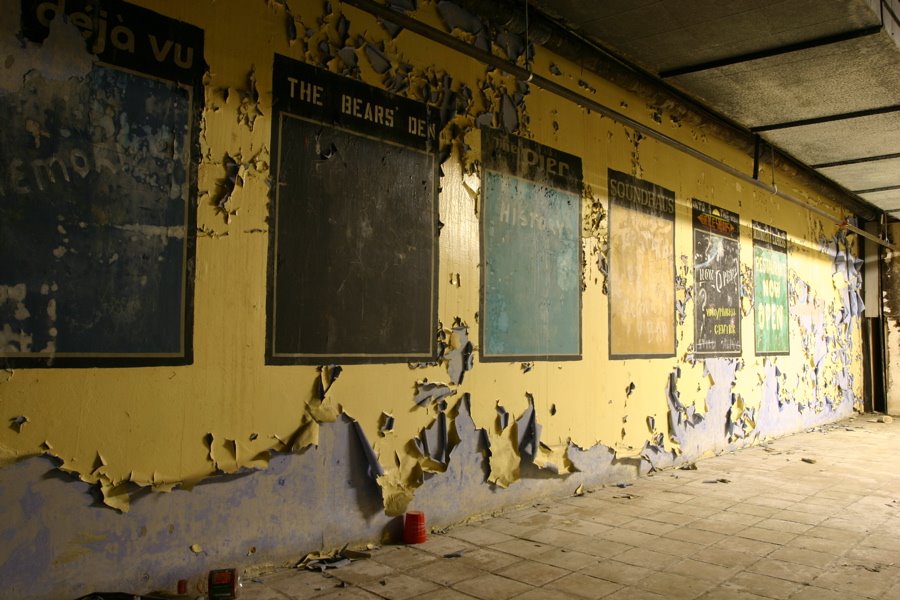
The Raleigh Underground: A Lost Phenomenon


There was a time when Raleigh was known for its prolific music scene. With events such as the closure of King’s and the disappearance of the once thriving punk scene, it has moved from a trickle to a smattering of indie shows and some artists/groups at The Lincoln Theatre or the Performing Arts Center.

Nowadays Raleigh is not completely devoid of all music, but there was a time when some of the biggest names in jazz and rock played here, in the most unlikely of locations: Cameron Village.


In the same way Cameron Village itself was modeled after a shopping plaza in Kansas City, The Village Subway was modeled after the Atlanta Underground. It was a series of restaurants, clubs, boutiques, fashion stores, and a few other shops. Some of the night clubs were The Frog & Nightgown, Cafe Deja Vu, Elliot’s Nest, The Pier, Skyline, The Bear’s Den, and the Midnight Express.
Read more »


Discuss Raleigh

  • Recent Comments:

    • Photo Booth Dallas: Cobblestone always looks charming until you actually have to drive or cycle over it — form...
    • url: If you are going for finest contents like myself, only pay a visit this site everyday because it presents...
    • https://www.princegeorgecleaning.com/: Cobblestone roads often look historic and charming, but they can be genuinely...
    • Eric: Fascinating bit of local history — cobblestone always looks charming but the practical headaches are real....
    • Eric: The way modern patching replaces original cobblestone with mismatched stone really does erase a layer of a...
    • Matt: Cobblestone restoration is one of those topics that quietly reveals a city’s priorities. The point about...
    • Sam: Cobblestone aesthetic is hard to argue with, but the maintenance and accessibility issues are exactly the kind...
    • Matt: Cobblestones look gorgeous in photos but my bike rims still remember the last block. Surprised to learn how...


  •